


Parathyroid Glands Disorders
Parathyroid gland disorders may be benign, causing imbalances in blood calcium levels that result in various health problems such as brittle bones, kidney stones, fatigue and weakness, or malignant and directly life-threatening.
Dr. Konstantinidis and his Surgical Team offer the most modern and effective approach to the treatment of all operable parathyroid gland disorders, performing robotic procedures with the assistance of the most advanced robotic system, da Vinci Xi, at Athens Medical Center.
The unique advantages offered by this state-of-the-art robotic surgical system in combination with the extensive and internationally acknowledged experience and pioneering surgical work of Dr. Konstantinidis ensure the best medical, oncological and cosmetic outcome with the least possible complications, even for the most complex and difficult cases.
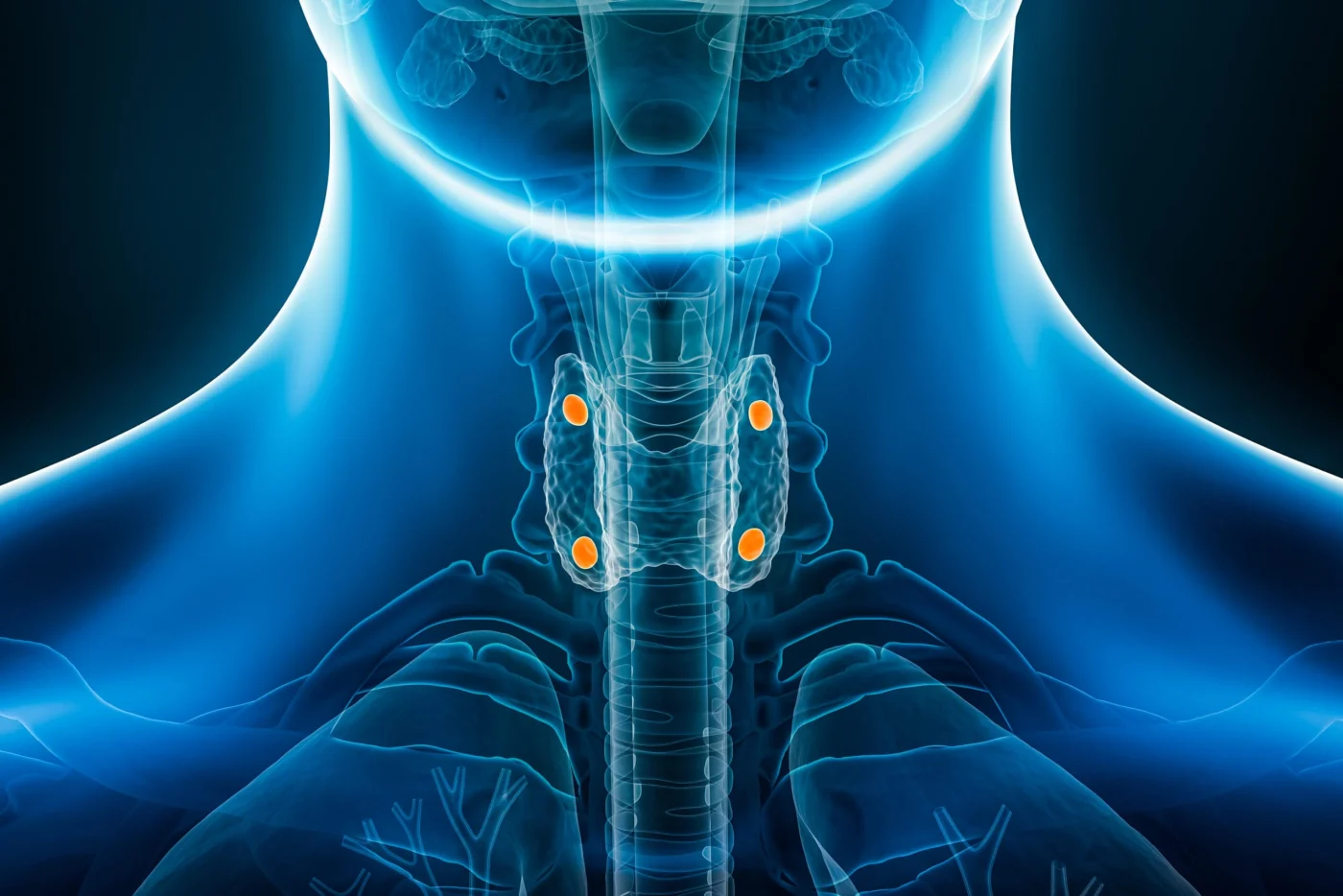
What are the Parathyroid Glands?
The body has four parathyroid glands located just behind the thyroid gland without, however, having anything to do with thyroid function.
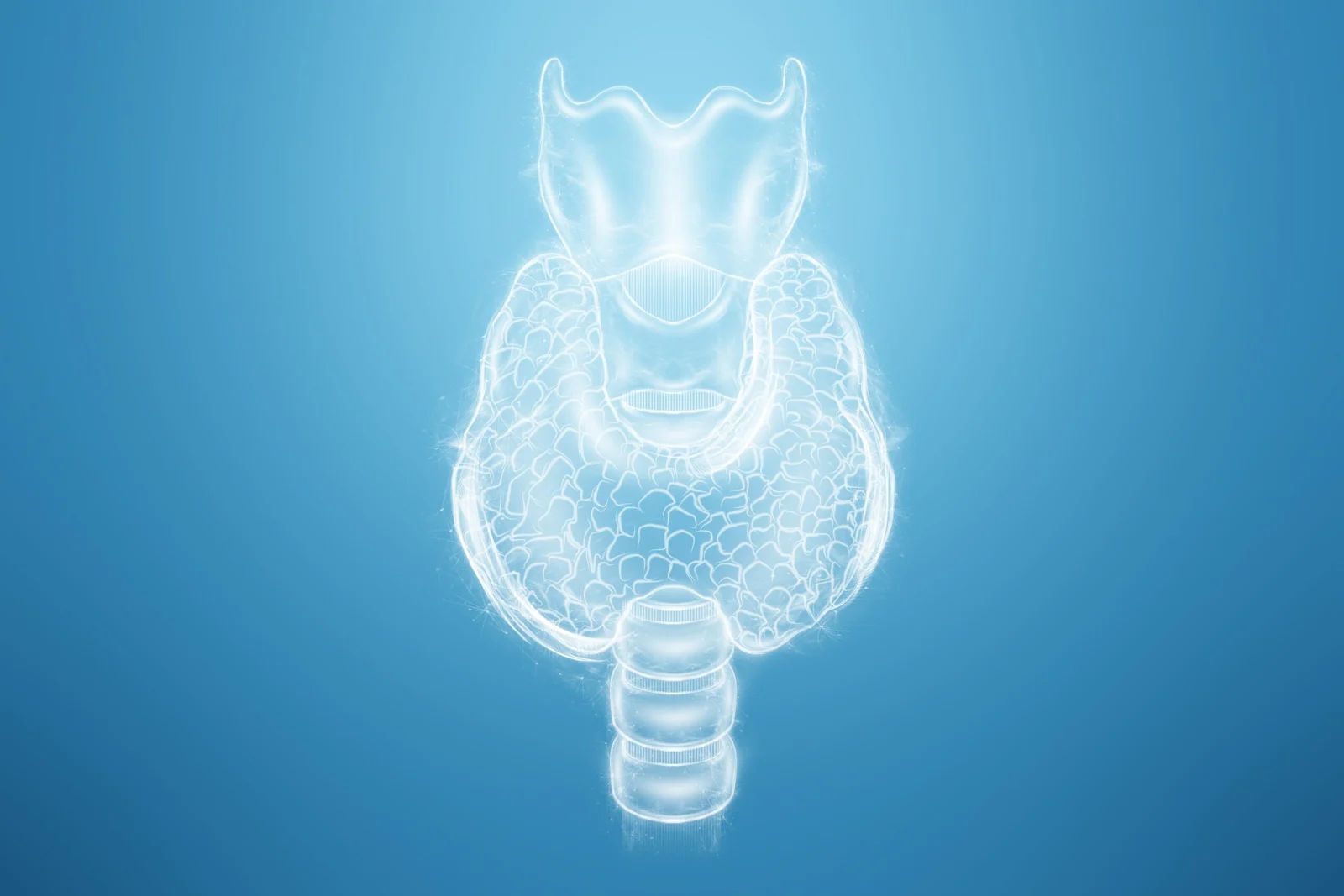
The parathyroid glands secrete parathyroid hormone (PTH), which controls the level of calcium in the blood. It is important to keep the level of calcium in the blood under control because the latter is essential for the proper functioning of cells.
When the level of calcium in the blood is too high or too low, this can have serious consequences, even to the point of being life threatening.
Why choose Dr. Konstantinidis?
Dr. K. M. Konstantinidis and his team possess vast experience in the field of laparoscopic and robotic surgery.
Dr. Konstantinidis is the pioneer of Robotic Surgery in Greece and one of the leading figures internationally in the field. He has performed the largest series of General Surgery operations in Europe with the innovative Da Vinci® robotic system.
Symptoms and effects of hyperparathyroidism

Hypercalcemia can cause serious problems, such as:
osteoporosis
kidney stones
heart disease
high blood pressure
Most people with primary hyperparathyroidism have no symptoms. Occasionally, however, they may show:
muscular weakness
fatigue
increased need for sleep
depression
pain in the joints and bones
Symptoms for people with more serious illness may include:
loss of appetite
nausea and vomiting
constipation
confusion or diminished thinking and memory
increased thirst and urination


What are the main Parathyroid Glands Disorders?
There are three main types of parathyroid gland disease:
- hyperparathyroidism
- parathyroid cancer and
- hypoparathyroidism
What is Hyperparathyroidism?
Hyperparathyroidism is the most common parathyroid disorder and occurs when one or more parathyroid glands are overactive. This means that too much parathyroid hormone is produced, resulting in increased levels of calcium in the blood, a condition called hypercalcemia.
Hyperparathyroidism is most often diagnosed in people aged 50 to 60 years. Women are affected about three times more often than men.
Hyperparathyroidism can be:
Primary hyperparathyroidism. Primary hyperparathyroidism occurs due to a problem with one or more parathyroid glands, such as:
- A benign tumor (adenoma) in a gland is the most common cause
- Hyperplasia of two or more parathyroid glands is also a common cause
- A cancerous tumor is an exceedingly rare cause of primary hyperparathyroidism
Secondary hyperparathyroidism. Secondary hyperparathyroidism is caused as a result of another condition or disorder in the body that leads to a decrease in calcium levels, forcing the parathyroid glands to compensate for the calcium deficiency by becoming overactive. The main causes contributing to secondary hyperparathyroidism are:
- Calcium deficiency
- Vitamin D deficiency
- Chronic kidney failure
What is Parathyroid Cancer?
Parathyroid cancer is an exceedingly rare type of malignancy and usually affects people in their 50s.
Early detection leads to a better prognosis.
Usually, hypercalcemia and its complications pose a greater threat to health than cancer itself.
What is Hypoparathyroidism?
Hypoparathyroidism is a rare disorder that occurs when the body does not produce enough parathyroid hormone, resulting in extremely low levels of calcium in the blood.
It is usually caused as a result of neck surgery or some damage to the parathyroid glands.
It can also occur from an autoimmune disease that affects the parathyroid glands.
Hypoparathyroidism has serious complications, such as:
- Addison’s disease, a disorder that occurs when the adrenal glands do not produce enough hormones
- cataract
- Parkinson’s disease
- anemia
How are Parathyroid Glands Disorders diagnosed?
Parathyroid gland disorders are diagnosed by checking the levels of calcium and parathyroid hormone in the blood.
These may be followed by the tests below, to look for further findings (e.g. the presence of an adenoma / cancerous tumor) and to evaluate possible complications:
- Bone densitometry
- Ultrasonography
- Computed Tomography
- Magnetic Resonance Imaging
How are Parathyroid Glands Disorders treated?
Depending on the severity of the disease the treatment options can be conservative (medication, dietary supplements and monitoring) or surgery, which offers a permanent solution to the problem.
Surgery involves the removal of the problematic parathyroid glands with a procedure called parathyroidectomy.
Parathyroidectomy can be performed with:
- conventional open surgery or
- a minimally invasive technique, i.e. laparoscopy or robotic surgery, which is an evolution of the former
What is Robotic Parathyroidectomy?
Robotic parathyroidectomy is the least invasive surgical method for the treatment of parathyroid gland disorders and especially the removal of benign (adenomas) or malignant tumors in the parathyroid glands.
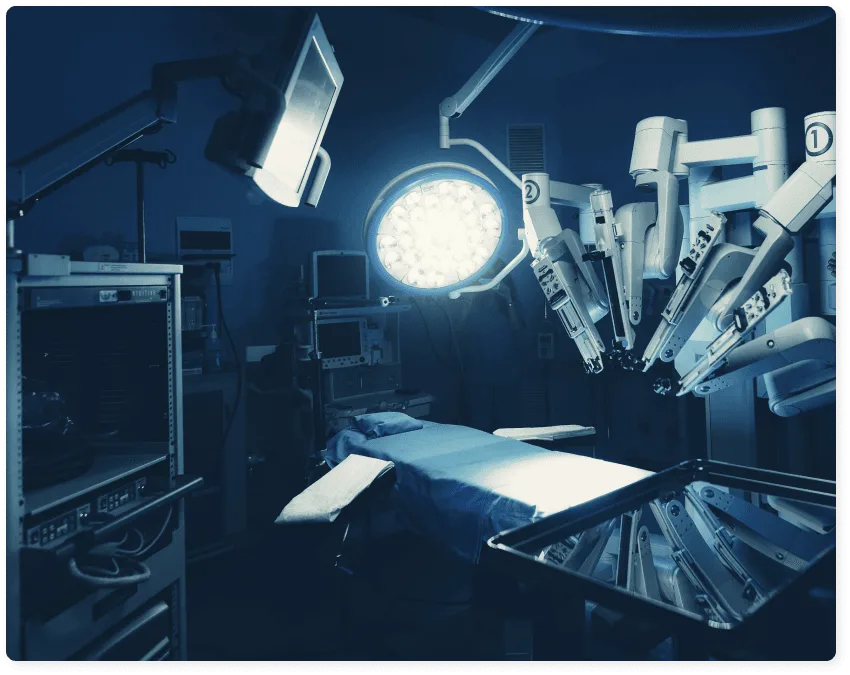
It is performed with the assistance of a robotic surgical system (da Vinci Xi) and is an evolution of laparoscopic parathyroidectomy, incorporating all the advantages of the latter and eliminating its technical limitations.
Robotic parathyroidectomy involves less pain for the patient, reduced recovery time and less risk of complications, such as damage to the nerves that control the vocal cords or chronic low levels of calcium in the blood, compared to open surgery.
The surgeon controls the robotic arms from a special console to remove the overactive gland through a small incision in the neck, with incomparable surgical precision, stability and flexibility.
As a result, robotic parathyroidectomy offers less pain for the patient, reduced recovery time, and less risk of complications, such as damage to the nerves that control the vocal cords or chronic low blood calcium levels, compared to open surgery.
Last updated:
